

Introduction
The Makalu Base Camp Trek is one of Nepal’s most spectacular and challenging Himalayan adventures. Taking trekkers deep into the remote eastern Himalayas, this journey leads toward the base of Mount Makalu, the fifth-highest mountain in the world at 8,485 meters. Unlike some of Nepal’s more established trekking destinations, the Makalu region remains relatively quiet and untouched, offering travelers an authentic wilderness experience surrounded by towering peaks, dramatic valleys, dense forests, and traditional mountain settlements.
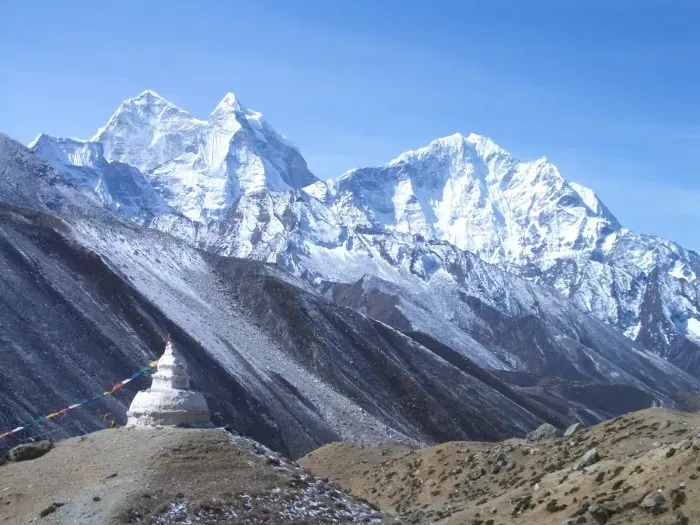
The trek is ideal for adventurous travelers who want to explore a less-commercialized part of Nepal. Along the route, the landscape changes dramatically from lush lowland forests to rugged alpine terrain and high-altitude glaciers. The combination of natural beauty, cultural encounters, challenging trails, and spectacular Himalayan panoramas makes the Makalu Base Camp Trek a memorable experience for experienced trekkers.
Where Is Mount Makalu?
Mount Makalu is located in eastern Nepal near the border with Tibet. The mountain stands at an impressive elevation of 8,485 meters and is part of the Makalu-Barun National Park and Conservation Area.
The region is renowned for its extraordinary geographical diversity. Within a relatively short distance, trekkers can encounter tropical forests, temperate woodlands, alpine meadows, rocky mountain slopes, glaciers, and high Himalayan peaks.
The Makalu-Barun landscape is also important for biodiversity. Its protected environment supports a wide range of plant and animal species, making the trek appealing not only to mountaineers but also to nature lovers, photographers, and adventure travelers.
Why Choose the Makalu Base Camp Trek?
The Makalu Base Camp Trek stands out because of its remoteness and diversity. Compared with popular routes in the Everest and Annapurna regions, the Makalu trail generally receives fewer trekkers. This creates a peaceful atmosphere where travelers can enjoy the mountains without the crowds found on more commercial routes.
Another major attraction is the dramatic change in scenery. The trail begins in lower valleys surrounded by green vegetation and gradually climbs through forests and mountain villages. As the altitude increases, the environment becomes increasingly rugged, eventually revealing breathtaking views of Makalu and other Himalayan giants.
The trek also offers meaningful cultural experiences. Villages along the route are home to different ethnic communities, including Rai, Sherpa, and other Himalayan groups. Traditional houses, monasteries, prayer flags, and local customs provide insight into mountain life.
Major Highlights of the Trek
The Makalu region has numerous natural and cultural attractions. Some of the most memorable highlights include:
-
Spectacular views of Mount Makalu and surrounding Himalayan peaks
-
Remote mountain trails with relatively few trekkers
-
Makalu-Barun National Park and its rich biodiversity
-
Beautiful rhododendron, oak, pine, and fir forests
-
Traditional Himalayan villages and local communities
-
High-altitude valleys, glaciers, and rugged mountain landscapes
-
Dramatic suspension bridges, rivers, and waterfalls
-
Panoramic views from high passes and viewpoints
-
A genuine wilderness experience away from heavily developed trekking routes
One of the most rewarding aspects of the trek is the gradual transformation of the landscape. Each day offers something different, making the journey itself just as important as reaching Makalu Base Camp.
Typical Makalu Base Camp Trek Route
The exact itinerary can vary depending on the trekking agency, transportation conditions, acclimatization requirements, and chosen route. However, the journey generally begins in Kathmandu before travelers travel toward eastern Nepal and the Makalu region.
After reaching the trailhead, the trek follows remote mountain paths through villages and forests. The early sections involve walking through lower elevations, where the climate is warmer and vegetation is abundant.
As the trail continues upward, trekkers encounter increasingly dramatic terrain. Rivers and steep valleys dominate the landscape, while forests gradually give way to alpine vegetation.
The route typically includes acclimatization stops to help trekkers adjust to increasing altitude. These rest days are not simply periods of inactivity; they can provide opportunities to explore nearby villages, viewpoints, and surrounding landscapes.
Eventually, the trail reaches higher mountain valleys where the air becomes thinner and the landscape more rugged. From these areas, the enormous presence of Mount Makalu becomes increasingly impressive.
After reaching Makalu Base Camp or the highest point of the selected trekking itinerary, trekkers begin their descent toward lower elevations before returning to Kathmandu.
Difficulty and Physical Preparation
The Makalu Base Camp Trek is considered a challenging trek and is best suited to people with good physical fitness and previous high-altitude trekking experience.
The route includes steep ascents and descents, rocky paths, long trekking days, and significant changes in elevation. Some sections can be physically demanding even for experienced hikers.
Preparation should begin several weeks or months before departure. Regular hiking, long-distance walking, stair climbing, running, cycling, and strength exercises can improve endurance. Training with a backpack can also help the body become accustomed to carrying equipment.
Mental preparation is equally important. Remote trekking requires patience and flexibility because weather, trail conditions, transportation delays, and other unexpected circumstances can affect the schedule.
Altitude and Acclimatization
Altitude is one of the most important considerations on the Makalu Base Camp Trek. As the route climbs above 3,000 meters, trekkers need to give their bodies sufficient time to adapt.
A carefully planned itinerary should include appropriate acclimatization days. Trekkers should maintain a steady pace and avoid unnecessary exertion at higher elevations.
Symptoms such as persistent headaches, dizziness, nausea, unusual weakness, or breathing difficulties should not be ignored. Anyone experiencing signs of altitude illness should immediately inform their guide and follow appropriate safety procedures.
Staying hydrated, eating nutritious meals, sleeping adequately, and following the guidance of an experienced trekking professional can help reduce altitude-related risks.
Best Time for the Makalu Base Camp Trek
The best seasons for the Makalu Base Camp Trek are generally spring and autumn.
Spring, from March to May, provides favorable trekking conditions in many parts of the region. The forests become particularly beautiful as rhododendrons and other flowers bloom. Clear mountain views combined with colorful landscapes make spring a popular season for nature enthusiasts and photographers.
Autumn, from September to November, is another excellent period. Following the monsoon, the atmosphere often becomes clearer, providing impressive visibility of the Himalayan peaks. Temperatures are generally comfortable during the daytime, although high-altitude areas remain cold.
Winter can bring heavy snowfall and extremely cold conditions at higher elevations. Summer coincides with the monsoon, which can create wet and slippery trails, cloud cover, landslides, and transportation challenges.
Flora and Wildlife
Makalu-Barun National Park is one of the region’s major attractions. Its dramatic variation in elevation supports a remarkable range of ecosystems.
Lower sections of the trek feature lush forests containing rhododendron, oak, pine, fir, and other vegetation. At higher elevations, forests gradually disappear and are replaced by alpine meadows, rocky slopes, and glacial terrain.
The protected area provides habitat for various Himalayan wildlife species. Trekkers may encounter numerous birds and, with luck, wildlife such as red pandas, Himalayan black bears, snow leopards, and other mountain species. However, wildlife sightings are unpredictable and should never be expected.
Visitors should observe wildlife from a safe distance and avoid disturbing animals or their habitats.
Accommodation and Food
Accommodation along the Makalu route is generally more basic than on Nepal’s busiest trekking trails. Teahouses and local lodges are available in some settlements, while more remote sections may require camping depending on the itinerary.
Traditional Nepali meals such as dal bhat, rice, lentils, vegetables, noodles, soups, and potatoes are common. Food availability becomes more limited as the trail climbs, so carrying lightweight snacks such as nuts, dried fruit, chocolate, and energy bars is useful.
A good sleeping bag and suitable cold-weather clothing are essential, particularly for higher elevations.
Permits and Guide Requirements
Trekkers need the appropriate permits to enter the Makalu region and protected areas. The exact permits and fees depend on the route and current regulations.
Because the Makalu region is remote and the trail can be difficult to navigate, traveling with an experienced guide is strongly recommended. A guide can assist with navigation, accommodation, communication, altitude management, and emergency decisions.
Travelers should also obtain appropriate travel insurance that covers trekking at the elevations included in their itinerary and potential emergency evacuation.
Responsible Trekking
Responsible tourism is particularly important in remote Himalayan regions. Trekkers should minimize waste, avoid leaving plastic or other rubbish along the trail, and use designated disposal facilities whenever possible.
Respect for local culture is equally important. Visitors should follow local customs, ask permission before photographing people, and behave respectfully around monasteries, religious sites, prayer flags, and other cultural landmarks.
Supporting local guides, porters, teahouses, and community businesses can also help ensure that tourism contributes to the livelihoods of people living in the region.
Conclusion
The Makalu Base Camp Trek is a remarkable Himalayan journey for travelers seeking adventure, solitude, and spectacular mountain scenery. From lush forests and traditional villages to high alpine valleys, glaciers, and towering Himalayan peaks, the trek provides an extraordinary variety of landscapes within a single journey.
Although the route is challenging and demands good preparation, its remote character is one of its greatest attractions. Trekkers who are physically prepared, properly acclimatized, and equipped for changing mountain conditions can experience a truly memorable adventure.
For those looking beyond Nepal’s busiest trekking routes, Makalu offers an opportunity to explore a quieter and wilder side of the Himalayas. The combination of dramatic scenery, rich biodiversity, local culture, and demanding mountain trails makes the Makalu Base Camp Trek far more than a trip to the foot of a great mountain—it is a complete Himalayan wilderness experience.