

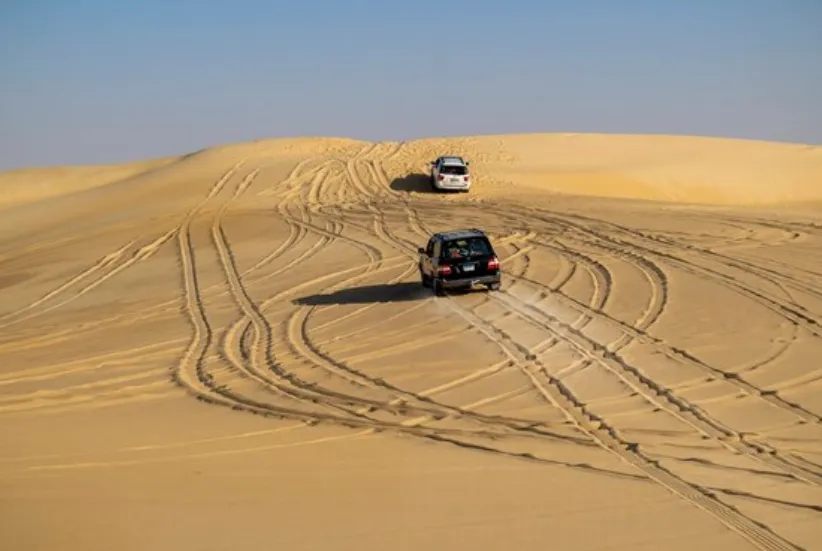
Morocco is a country of layers. Thousand-year-old medinas sit a few hours from snow-capped peaks, and the Sahara begins where the palm valleys end. That range is why Morocco tours suit so many travelers, and why choosing the right structure matters. This guide presents three sample itineraries, explains what to expect on Morocco desert tours, and shows how to spot truly authentic Morocco tours among the many on offer.
Sample Itinerary 1: The Short Escape (3 to 4 Days)
Ideal for travelers with limited time, this trip focuses on the desert.
-
Day 1: Leave Marrakech, cross the Tizi n’Tichka Pass and visit Aït Benhaddou, the UNESCO-listed fortified village. Continue via Ouarzazate to the Dades Valley.
-
Day 2: Walk through Todra Gorge, then drive to Merzouga. A camel caravan carries you into the Erg Chebbi dunes for dinner, drumming and a night in camp.
-
Day 3: Watch sunrise over the dunes, then travel north through the Ziz Valley and Middle Atlas to Fes, passing the cedar forests near Azrou and the alpine-style town of Ifrane.
A fourth day, with an extra night in Ouarzazate or the Draa Valley, makes the pace far more comfortable. The route also works in reverse from Fes to Marrakech.
Sample Itinerary 2: The Classic Journey (7 to 10 Days)
The most popular structure for first-time visitors combines cities, mountains and desert.
-
Marrakech (2 nights): Souks, gardens, Jemaa el-Fna square and a cooking class.
-
High Atlas and Aït Benhaddou: Mountain villages, a kasbah stay and a home-cooked lunch.
-
Dades Valley and Todra Gorge (1 night): Dramatic scenery and family-run guesthouses.
-
Merzouga (1 to 2 nights): Camel trek, dunes and stargazing.
-
Middle Atlas (optional night): Ifrane and Azrou for cedar forests and cooler air.
-
Fes (2 nights): A guided walk through Fes el-Bali, one of the largest car-free urban areas in the world.
This itinerary balances driving with time on foot, and it leaves room for spontaneous stops.
Sample Itinerary 3: The Extended Circuit (12 Days or More)
For travelers who want depth, an extended trip adds the coast, the north and slower cultural experiences.
-
Essaouira: Ramparts, fishing harbor and relaxed Atlantic atmosphere.
-
Chefchaouen: Blue-washed lanes and mountain views.
-
Meknes and Volubilis: Imperial history and Roman ruins.
-
Extra desert time: A second night in the dunes or a visit to the Draa Valley palm groves.
Slower travel means fewer one-night stops, more walking and more chances to meet people.
Morocco Desert Tours: What to Expect
The classic destination is Merzouga and the Erg Chebbi dunes, where sand ridges rise more than 100 meters. A typical desert experience includes:
-
A camel trek into the dunes in the late afternoon, usually about an hour
-
A night in a Berber-style camp with a traditional dinner, music and stargazing
-
Sunrise over the dunes, when the sand shifts from gold to soft pink
Closer to Marrakech, Zagora and the Draa Valley suit shorter trips, while Mhamid feels quieter and more remote.
Choosing a Camp
-
Traditional camps: Simple tents and shared facilities. Rustic and atmospheric.
-
Comfort camps: Real beds, en-suite bathrooms and better bedding.
-
Luxury camps: Spacious suites, heating in winter and refined dining.
Confirm bedding, bathrooms and heating before booking, since desert nights can approach freezing in winter.
What Makes Morocco Tours Authentic?
“Authentic” is one of travel’s most overused words, so look for specifics:
-
Local guides and drivers who share personal stories rather than scripts
-
Family-run riads, kasbahs and camps that keep income in local communities
-
Hands-on experiences, such as bread baking, tagine cooking or a visit to a women’s weaving cooperative
-
Small groups or private travel, which allow spontaneous stops and real conversation
-
Responsible practices, including fair wages and sensitive photography
Ask the operator for concrete examples. Detailed, confident answers are a good sign.
Best Time to Go
-
Spring (March to May): Mild weather and green valleys. The most balanced season.
-
Autumn (September to November): Clear skies and comfortable temperatures.
-
Winter (December to February): Pleasant in the cities, very cold in the desert at night. Pack warm layers.
-
Summer (June to August): Extremely hot inland. Better for the coast and mountains.
Book early for spring and autumn, especially for private tours and luxury camps.
How to Choose an Operator
-
Compare inclusions: accommodation, meals, camel ride, entrance fees and transport.
-
Prefer private or small-group tours for flexibility.
-
Read recent, detailed reviews that mention people and moments, not just scenery.
-
Ask about guide and driver experience on mountain and desert roads.
-
Request a day-by-day itinerary with hotel and camp details.
-
Be wary of the lowest price, which often means larger groups or rushed schedules.
Practical Tips
Pack a light scarf, sunglasses, sunscreen, sturdy shoes and a warm jacket for desert evenings, plus a power bank since charging in camp is limited. Take a small daypack to the dunes and leave your main luggage in the vehicle. Dress modestly in villages and medinas, ask permission before photographing people, learn a few greetings such as shukran (thank you) and carry small cash for tips.
Conclusion
The best Morocco tours start with an honest look at your time, pace and interests. Whether you choose a short desert escape, a classic 7 to 10 day circuit or an extended journey, Morocco desert tours add the unforgettable moment of a camel caravan at sunset and a night beneath the stars. And when local guides, family-run stays and an unhurried rhythm shape the trip, it becomes one of the truly authentic Morocco tours worth taking.
Choose a reliable local operator, compare details rather than slogans and leave room for the unplanned. In Morocco, that is often where the best stories begin.